Disclosure: We may earn a commission when you buy through links on this page, at no extra cost to you. We buy nothing, sell nothing and accept no payment for coverage — commissions never decide what we recommend. How we make money.
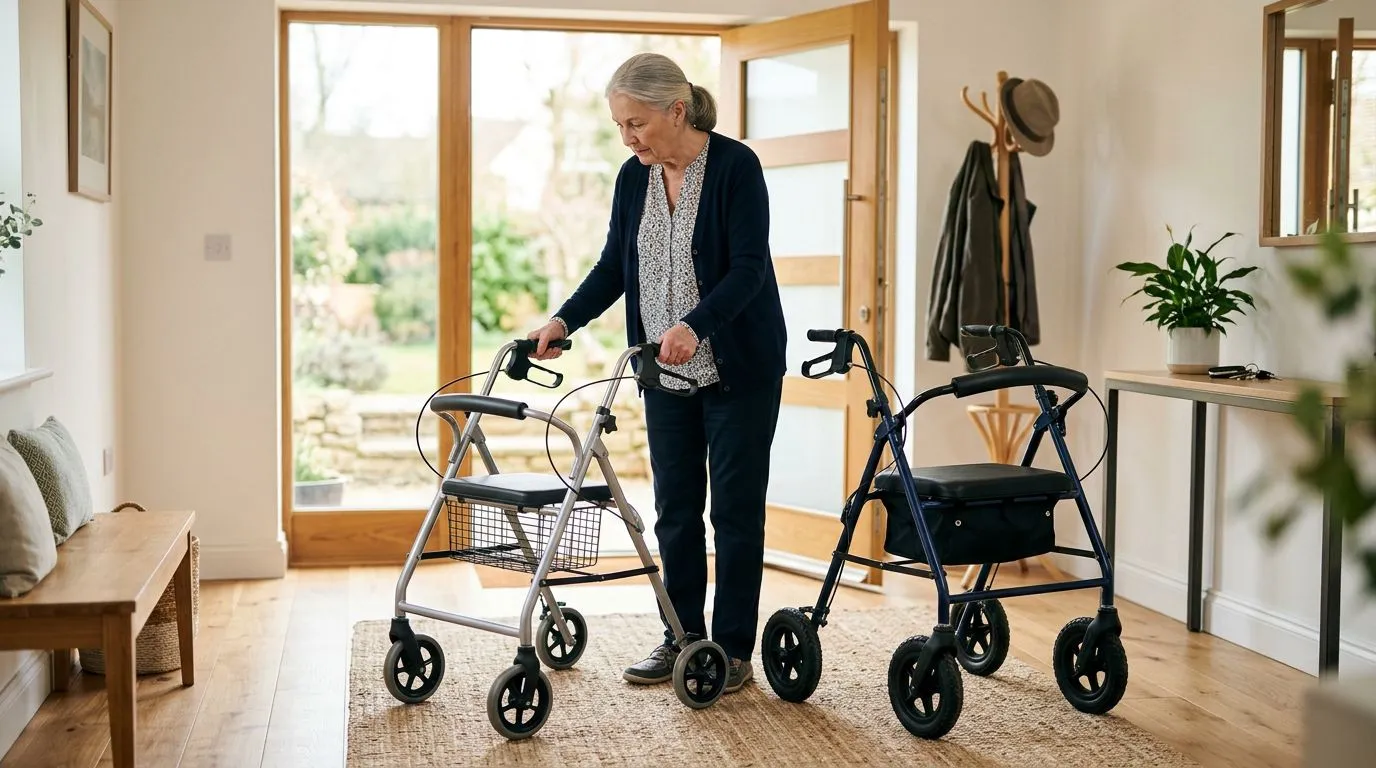
Upgrading to a lightweight, heavy-duty, or all-terrain walker is worthwhile when a standard option no longer fits your body, home, strength, or daily routine. If a basic walker is safe, comfortable, and easy to manage, you may not need to spend more. But if it is too heavy to lift, too narrow or unstable, or poor on outdoor surfaces, the right upgrade can make mobility safer and less frustrating.
The key is to match the upgrade to the problem. Lightweight walkers help people who often lift, fold, or transport their device. Heavy-duty walkers and bariatric rollators help users who need higher weight capacity or a wider frame. All-terrain rollators are most useful for outdoor walking over cracked sidewalks, gravel paths, grass, or uneven pavement.
Start with the difference: walkers vs. rollators in 30 seconds
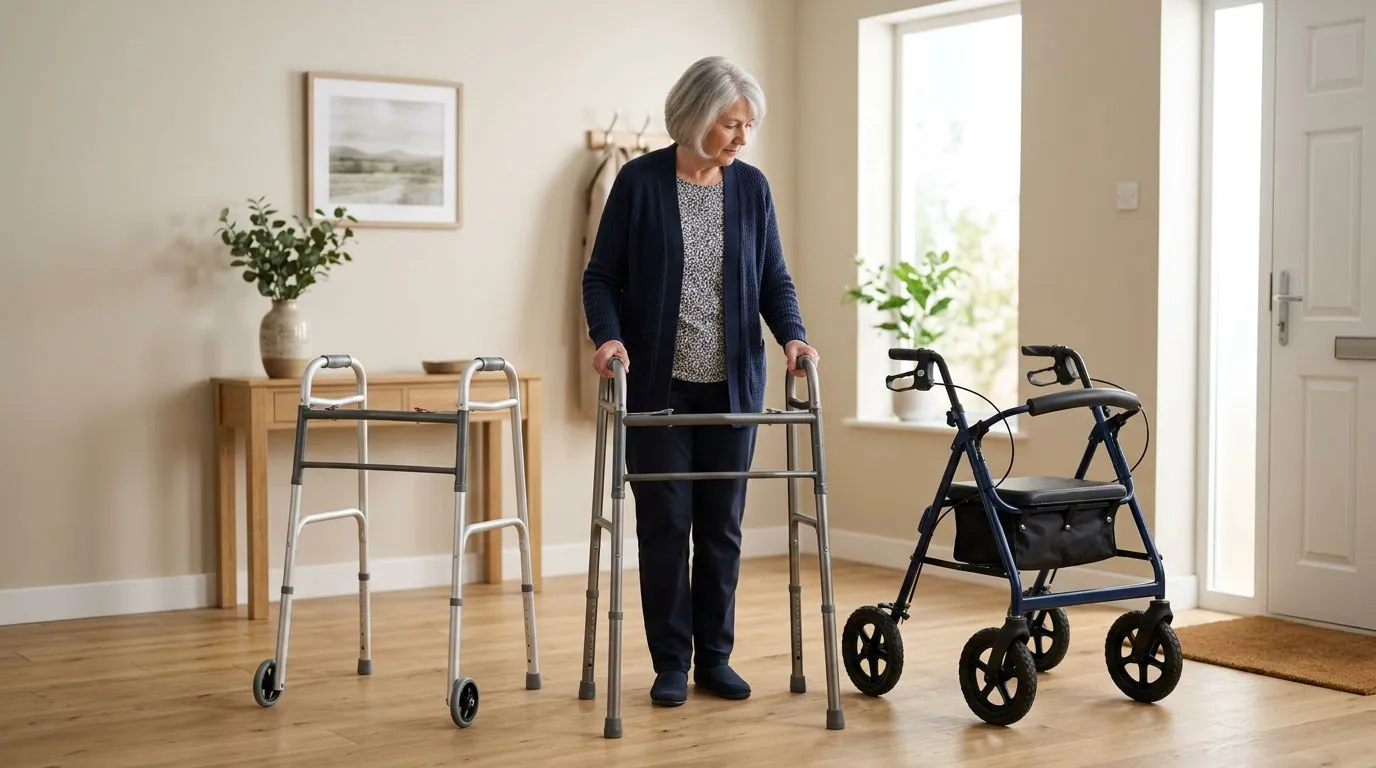
A walker and a rollator are related mobility aids, but they solve different problems. A standard walker or two-wheel walker provides maximum step-by-step stability because you move it, then step into it. A rollator is a wheeled walker with hand brakes and usually a built-in seat, designed for smoother, more continuous movement.
This difference matters before you spend more. Someone who needs firm support with every step may do better with a standard or folding walker, even without a seat and even if it moves slowly. Someone who can walk more fluidly but needs balance support and frequent rest breaks may benefit from a 3-wheel or 4-wheel rollator.
| Type | Typical features | Best fit | Watch out for |
|---|---|---|---|
| Standard walker, no wheels | Four legs, rubber tips, often folds; commonly about 5 to 8 lb | Highest stability for short indoor distances | Must be lifted with each step |
| Two-wheel walker | Front wheels, rear tips or glides | Users who need stability but cannot lift a walker repeatedly | Less controlled than a no-wheel frame on slopes |
| 3-wheel rollator | Three wheels, hand brakes, compact turning | Tight spaces and light outdoor use | Usually no full seat; less stable than 4-wheel designs |
| 4-wheel rollator | Four wheels, brakes, seat, storage pouch or basket | Walking longer distances with rest breaks | Requires brake control and safe turning |
| Upright rollator | Forearm supports, taller frame, brakes and seat | Users who tend to hunch over on a standard rollator | Bulkier and not ideal for every home layout |
As a rule, do not choose a rollator only because it looks easier. Four wheels can roll away if the brakes are not used correctly. If balance is poor, gait is very slow, or a clinician has advised step-by-step support, a standard walker or two-wheel walker may be the safer category.
The 3 common upgrades and what you are really paying for
Most walker upgrades fall into 3 value categories: lower weight, higher strength, or better outdoor handling. Each adds cost for a different reason. Lightweight frames usually use aluminum and streamlined folding mechanisms. Heavy-duty frames use reinforced tubing, wider spacing, and higher-rated hardware. All-terrain rollators add larger wheels, stronger forks, more ground clearance, and often a wider base.
For many shoppers, the best upgrade is not the fanciest one. It is the one that removes the daily obstacle. If you put a walker into a car trunk 6 times a week, a 3 lb weight difference can matter. If you need a 350 lb capacity but your current walker is rated for 300 lb, strength and fit matter more than portability. If you walk outdoors every morning, 10-inch wheels may be more valuable than a lighter frame.
| Upgrade category | Common in walkers? | Common in rollators? | Main value | Not worth it when |
|---|---|---|---|---|
| Lightweight | Yes, especially folding walkers | Yes, especially compact rollators | Easier lifting, folding, travel, caregiver handling | The lighter frame feels shaky or the user never transports it |
| Heavy-duty | Yes, including wider standard and two-wheel walkers | Yes, including bariatric rollators | Higher weight capacity, more room, stronger frame | The standard size already fits safely and comfortably |
| All-terrain | Limited for walkers; usually front-wheel outdoor options | Very common for 4-wheel rollators | Better outdoor rolling over uneven surfaces | Most use is indoors on smooth floors |
One practical caution: upgrading in one direction can create a tradeoff somewhere else. A heavy-duty rollator may support 400 lb or more, but it can be wider and harder to load into a sedan. An all-terrain rollator may have 10- or 12-inch wheels, but those wheels can make it bulkier in a small apartment.
When a lightweight walker or rollator is worth it: 5 to 15 lb makes a difference
A lightweight upgrade is worth considering when the current walker is safe on the ground but hard to lift, fold, carry, or transport. Standard folding walkers often weigh around 5 to 8 lb, while many rollators are closer to 12 to 25 lb depending on frame style, seat, wheel size, and brakes. That difference is easy to feel when lifting the device into a car.
Lightweight walkers are especially useful for people with reduced grip strength, shoulder pain, fatigue, or a caregiver who manages the device several times a day. A two-wheel folding walker that is a few pounds lighter can be easier to turn at a bathroom doorway or place beside a dining chair. For travel, a lighter folding frame can reduce the strain of moving through parking lots, medical offices, and family homes.
Who it is best for
- Someone who folds and unfolds a walker daily.
- A user or caregiver who loads the device into a car 3 or more times per week.
- People using a walker mainly indoors who do not need a seat.
- Rollator users who walk independently but struggle with lifting a 20 lb frame.
- Smaller adults who feel overwhelmed by a wide or bulky device.
The upgrade is not worth it if lower weight reduces confidence. Some very light frames can feel less planted, especially for a person who leans heavily on the handles. Weight capacity matters too. A lightweight walker should still have a listed capacity comfortably above the user’s body weight, clothing, and any small carried items.
For rollators, look closely at the folded size, not just the product weight. A 14 lb rollator that folds awkwardly may be harder to manage than a 17 lb rollator with a cleaner fold and better lifting points. If possible, test how it folds with one hand and whether it stands upright when folded.
When a heavy-duty or bariatric upgrade is worth it: capacity, width, and frame strength
A heavy-duty walker or bariatric rollator is worth it when a standard frame does not provide enough weight capacity, seat room, handle width, or overall stability. Many standard mobility aids have capacities around 250 to 300 lb, while heavy-duty versions commonly range from about 350 to 500 lb or more. Always check the stated capacity for the specific device type, because a walker frame and a rollator seat may have different limits.
This upgrade is not only about the number on the scale. Fit is just as important. If a person cannot stand naturally inside the walker frame, the device may encourage twisting, narrow stepping, or poor posture. A wider walker can allow more comfortable movement, while a bariatric rollator may offer a wider seat and stronger cross-bracing.
Who it is best for
- Users whose body weight is near or above a standard 300 lb capacity.
- People who need more room between the handles or a wider seat.
- Users who feel a standard frame flex, wobble, or narrow their stance.
- Caregivers who need a more durable device for frequent daily use.
- Rollator users who need a seat rated for their weight, not just a walking frame rating.
The tradeoff is size. Heavy-duty walkers and rollators may be several inches wider than standard options. That matters in older homes with 24- to 28-inch interior doorways, tight bathrooms, or narrow hallways. Before upgrading, measure the narrowest doorway and the space around the toilet, bed, and favorite chair.
For bariatric rollators, also consider brake strength and hand comfort. A heavier user and heavier frame place more demand on the braking system, especially on ramps or sloped driveways. The user should be able to squeeze and lock the brakes without hand pain. If hand strength is limited, ask a physical therapist, occupational therapist, or mobility equipment professional to help evaluate brake control.
When an all-terrain rollator is worth it: 8- to 12-inch wheels outdoors
An all-terrain upgrade is usually most valuable in a rollator, not a standard walker. Larger wheels, often in the 8- to 12-inch range, roll more easily over sidewalk cracks, packed gravel, grass edges, curb cuts, and uneven pavement than small indoor wheels. Outdoor walking can feel less jarring, and the user may not need to lift the frame over every small obstacle.
All-terrain rollators are best for users who already have enough balance, judgment, and hand strength to control a wheeled device with brakes. They are not designed to be pushed like a shopping cart without attention. On rough surfaces, the user must keep both hands on the handles, slow down on slopes, and lock the brakes before sitting.
Who it is best for
- People who walk outdoors at least several times a week.
- Users who avoid parks, farmers markets, or neighborhood walks because small wheels catch.
- Someone who needs a built-in seat for rest breaks every 5 to 10 minutes.
- Adults who can operate loop-style hand brakes reliably.
- Users with enough storage space for a larger folded frame.
All-terrain walkers with no seat do exist in limited forms, usually as two-wheel walkers with larger front wheels or ski-style glides for specific surfaces. For most people, though, outdoor upgrade shopping leads to a 4-wheel rollator because it offers continuous rolling, brakes, and a seat. A 3-wheel rollator can be nimble, but it may not provide the same resting support or stability as a 4-wheel version.
This upgrade may not be worth it for someone who mainly walks indoors on carpet, tile, or smooth senior living hallways. Larger wheels can add weight and increase turning radius. If the device must fit beside a narrow restaurant table or through a crowded clinic waiting room, a compact rollator or two-wheel walker may be more practical.
How to choose and measure: 6 checks before paying more
Before upgrading, measure the person, the home, and the routine. A walker that fits the body but not the bathroom will still cause problems. Many poor purchases come from skipping simple checks that take less than 15 minutes.
1. Set the handle height
Stand upright in supportive shoes with arms relaxed at the sides. The walker or rollator handles should line up near the wrist crease, creating a slight elbow bend of about 15 to 30 degrees when holding the grips. Handles that are too low encourage stooping; handles that are too high can strain shoulders and reduce control.
2. Check width through real doorways
Measure the narrowest doorway, hallway turn, and bathroom path. Many modern exterior doors are about 36 inches wide, but older interior doorways may be closer to 24 to 28 inches. Compare that with the device’s overall width, not just the seat or handle width.
3. Confirm weight capacity with a margin
Choose a capacity above the user’s body weight. If a rollator has a seat, check the seat rating as well as the frame rating. Do not assume a storage bag can safely carry heavy groceries; many are meant for light personal items.
4. Test the lift
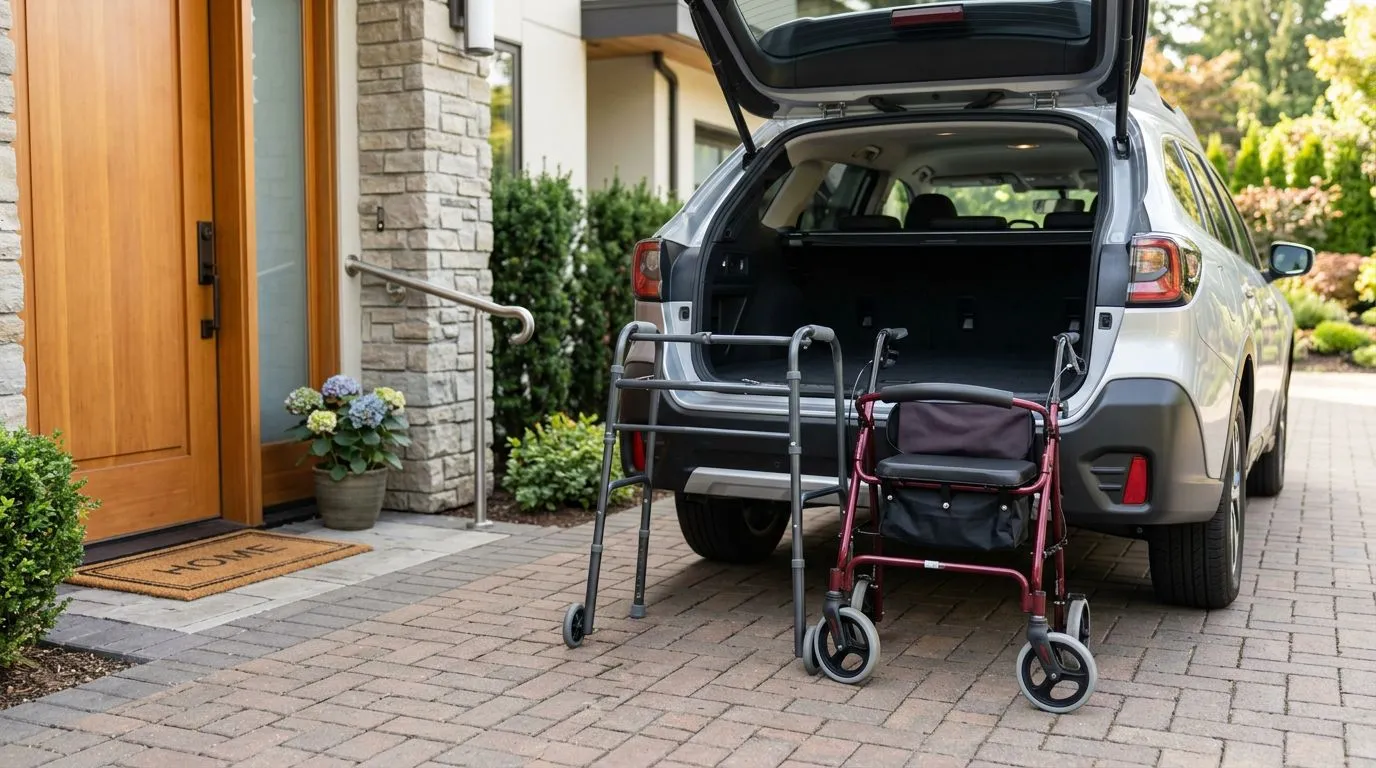
If the device will go into a vehicle, practice the full motion: fold, lift, turn, and place it into the trunk or back seat. A 10 lb difference can be the reason a device gets used daily or left at home.
5. Match wheels to surfaces
For indoor use, smaller wheels may be fine. For uneven outdoor routes, look for larger wheels, stronger tires, and enough clearance under the frame. If the user crosses gravel weekly, all-terrain features matter more than if they only walk to the mailbox on smooth concrete.
6. Check brakes and sitting safety
Rollators require brake control. The user should be able to slow the rollator, lock both brakes, turn around carefully, and sit without the frame moving. A rollator seat is for resting, not for being pushed while seated unless the device is specifically designed and rated for that use, which most standard rollators are not.
Value comparison: which upgrade pays off for which routine?
The most expensive option is not automatically the best value. Value depends on how often the feature solves a real problem. A person who goes to two medical appointments a month may not need an ultra-light travel setup; someone who leaves home daily may find it worthwhile within the first week.
| Daily situation | Best upgrade to consider | Why it may be worth paying more | Possible better alternative |
|---|---|---|---|
| Short indoor trips from bedroom to kitchen | Standard or lightweight folding walker | Simple, stable, easy to store | No-wheel or two-wheel walker if maximum control is needed |
| Frequent car travel | Lightweight walker or lightweight rollator | Less strain lifting into a vehicle several times weekly | Keep a second basic walker at a family member’s home if travel is predictable |
| Body size exceeds standard fit | Heavy-duty walker or bariatric rollator | Better capacity, width, and frame confidence | Professional fitting if doorways are narrow |
| Outdoor neighborhood walks | All-terrain 4-wheel rollator | Larger wheels and seat support longer walks | Compact rollator if sidewalks are smooth and storage is tight |
| Posture feels hunched on a rollator | Upright rollator | Forearm supports may encourage a more upright position | Recheck handle height first; poor adjustment can mimic poor design |
For couples and caregivers, value can also mean less handling strain. If one person lifts the device into a car 10 times a week, a lighter frame may protect the caregiver’s back and make outings easier to say yes to. That is a practical benefit, even when the user could manage a heavier device at home.
Red flags that an upgrade should wait until you get professional advice
Some situations call for guidance before buying any upgraded walker or rollator. If there has been a fall in the past 30 days, a sudden change in walking, new dizziness, new weakness on one side, or confusion using brakes, talk with a healthcare professional. A physical therapist or occupational therapist can help match the device to gait, balance, home layout, and transfer safety.
Also pause if the user is choosing a rollator mainly to sit and be pushed by someone else. Most rollators are walking aids with temporary resting seats, not transport chairs. Using one incorrectly can lead to tipping or brake failure. If seated transport is needed, ask about the appropriate device category rather than improvising.
Another red flag is leaning heavily through the forearms or placing most body weight on the handles. Walkers and rollators provide support, but they are not a substitute for full body-weight support unless specifically prescribed and rated. The more weight a person places through the device, the more important professional fitting becomes.
FAQ: 5 practical questions before upgrading
Is a lightweight walker less safe than a heavier one?
Not automatically. A lightweight walker can be safe if it fits correctly, has the right weight capacity, and feels stable to the user. The concern is choosing the lightest frame without considering how much support the person needs.
Should I choose a heavy-duty walker even if I am below the weight limit?
Only if it solves another fit problem, such as width, comfort, or frame confidence. If a standard walker has enough capacity and fits through your home easily, heavy-duty size may add unnecessary bulk.
Are all-terrain walkers good for indoor use?
All-terrain rollators can be used indoors, but they may be wider, heavier, and harder to turn in tight spaces. For mostly indoor use, a standard walker, two-wheel walker, or compact rollator may be easier.
Is a rollator better than a walker because it has a seat?
Not always. A rollator seat is helpful for rest breaks, but the wheels require brake control and balance. A standard walker may be safer for someone who needs more support with each step.
How much weight capacity margin should I look for?
Choose a walker or rollator with a stated capacity above the user’s body weight, and check the seat rating on rollators. If the user is close to the limit, consider a heavy-duty option and get fitting advice.
The right upgrade earns its cost by fixing a specific daily problem. Lightweight makes sense when lifting and transport are the barrier. Heavy-duty makes sense when capacity, room, or durability are the barrier. All-terrain makes sense when outdoor surfaces limit safe, enjoyable walking. Match the feature to the need, and you are far more likely to buy once and use it confidently.
FAQ
Frequently asked questions
When is a heavy-duty walker worth it? +
A heavy-duty walker is worth it when a standard walker does not offer enough weight capacity, width, or frame confidence. It may also help if the user feels cramped or the frame flexes during normal use.
Are all-terrain walkers and rollators good indoors? +
They can work indoors, but larger wheels and wider frames may be harder to turn in tight bathrooms, hallways, and apartments. They are most valuable for frequent outdoor use.
How do I measure for a walker or rollator? +
Set the handles near the wrist crease while standing upright in shoes, check that elbows bend about 15 to 30 degrees, measure your narrowest doorways, and confirm the weight capacity and seat rating.
Keep reading
Related guides
Folding Walker vs Folding Rollator Value: What Portability Features Are Worth the Upgrade?
13 min read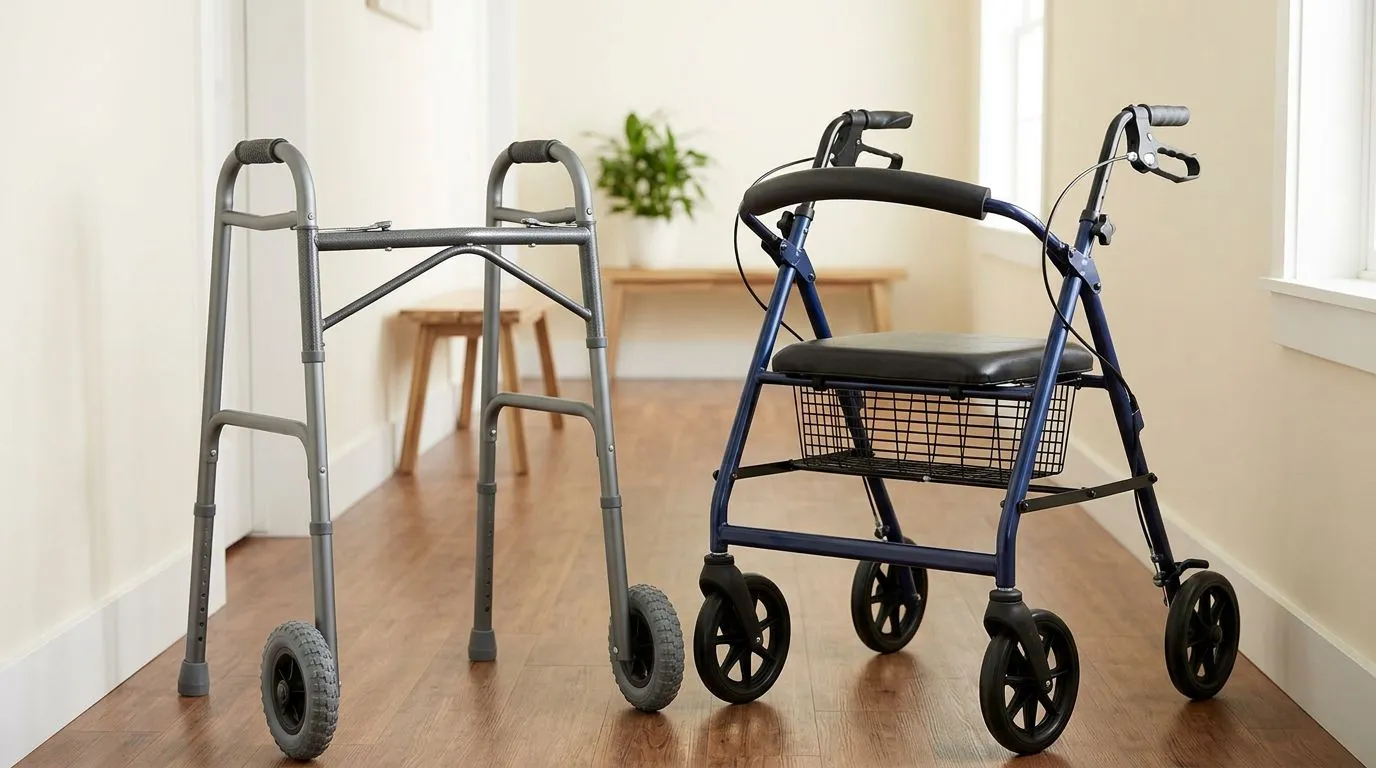
Heavy-Duty Walkers and Bariatric Rollators: What Higher Weight Capacity Adds to the Price
14 min read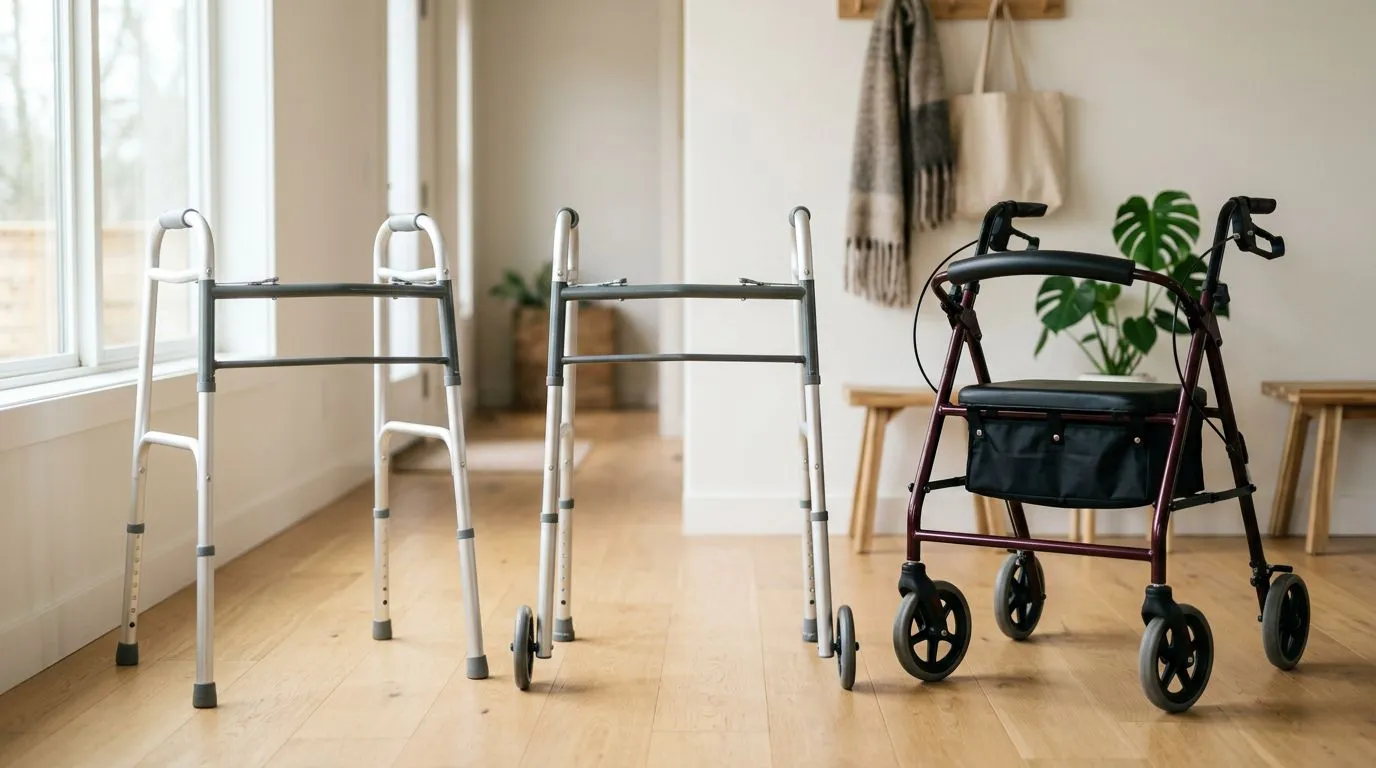
Lightweight Mobility Walkers: Balancing Easy Lifting, Stability, and Weight Capacity
14 min read