Disclosure: We may earn a commission when you buy through links on this page, at no extra cost to you. We buy nothing, sell nothing and accept no payment for coverage — commissions never decide what we recommend. How we make money.
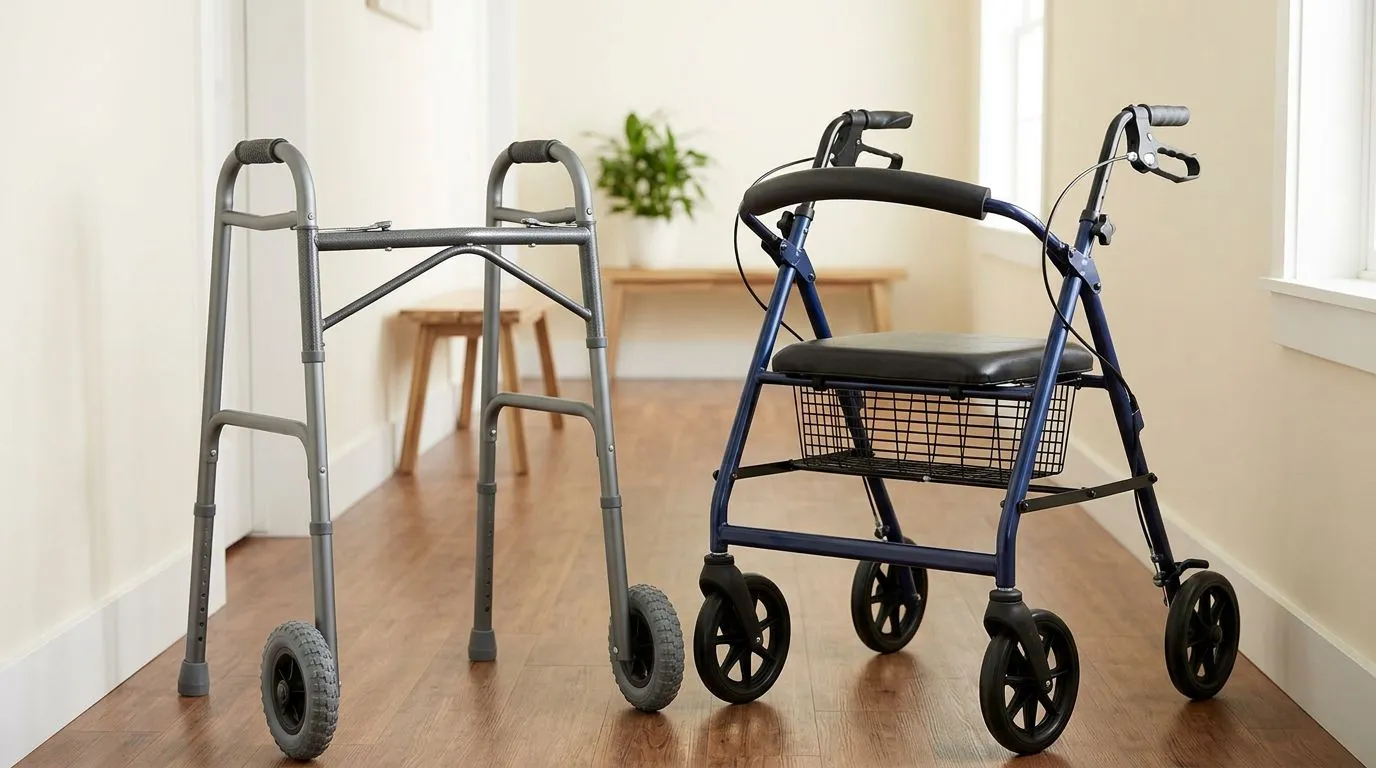
Heavy-duty walkers and bariatric rollators cost more because they use stronger frames, wider support points, reinforced joints, larger hardware, and components tested for higher weight ratings. With rollators, the price also reflects wider seats, stronger hand brakes, larger wheels, and more complex folding systems. The right choice comes down to whether you need maximum stability from a walker or a wheeled mobility aid with a seat and brakes.
Higher weight capacity is not just a number printed on a label. A standard folding walker, a two-wheel walker, and a no-wheel walker frame are built for a different purpose than a bariatric rollator with 4 wheels, a seat, and loop hand brakes. Knowing what changes in the build helps you pay for useful safety features rather than extra capacity or convenience you do not need.
Why a 300 to 700 lb rating changes the build
Many everyday walkers and rollators are rated around 250 to 300 lb, while heavy-duty walkers and bariatric rollators commonly move into the 350, 400, 500, or even higher capacity range. That added capacity affects nearly every stress point: legs, cross braces, welds, folding hinges, axles, wheels, hand grips, and seats.
A mobility aid does not only carry still weight. It also handles shifting weight. When a person stands up, turns, leans forward, or steps over a threshold, the force on one leg or wheel may briefly be much higher than the user’s body weight divided evenly across the frame. That is why higher-capacity designs usually need stronger materials, broader geometry, and more reinforcement.
With walkers, the main cost drivers are usually the frame, tubing size, width, leg tips or wheels, and folding hardware. A heavy-duty standard walker may look simple, but it still has to resist flex when weight is applied through the hand grips. With rollators, more parts must be upgraded: brakes, cables, wheels, seat platform, backrest, axles, and sometimes an upright support structure.
More capacity can be worth paying for when it gives the user a realistic safety margin. The goal is not to choose the largest number available. It is to choose a walker or rollator that matches the user’s weight, body width, strength, balance, home layout, and frequency of use.
Walkers vs rollators: 2 different tools with different costs
A walker is designed mainly for stability. A rollator is designed for smoother walking with wheels, hand brakes, and usually a built-in seat. That difference explains much of the price gap. A heavy-duty walker may need fewer components, while a bariatric rollator has more moving parts that all must support higher loads.
| Type | Typical design | What higher capacity adds | Best fit |
|---|---|---|---|
| Standard no-wheel walker | 4 legs with rubber tips | Stronger frame, reinforced joints, wider stance | Maximum stability for short indoor distances |
| Folding walker | Frame folds for storage or transport | Heavier-duty hinges and cross braces | Users who need stability plus car-friendly storage |
| Two-wheel walker | Front wheels and rear tips | Stronger front wheel mounts and rear legs | Users who cannot lift a walker with every step |
| 3-wheel rollator | Triangular wheeled frame, usually no full seat | Reinforced frame and braking system | Tighter spaces, lighter support needs |
| 4-wheel bariatric rollator | 4 wheels, hand brakes, seat, backrest | Wider seat, stronger brakes, larger wheels, reinforced axles | Users who need seated rests and wheeled support |
| Upright bariatric rollator | Forearm supports with 4 wheels | Higher frame, arm platforms, reinforced steering and brakes | Users who walk better in a more upright position |
For someone who needs firm support with each step, a heavy-duty walker may be the safer and more economical option. It has fewer parts to maintain and no hand brake system to learn. For someone who can control a wheeled device and needs rest breaks, a bariatric rollator may work better, especially in longer hallways, clinics, community centers, and outdoor paths.
The seat is a major dividing line. Walkers generally are not made for sitting. Rollators are. If seated rest breaks are important, the added cost of a bariatric rollator is tied to a real feature, not a cosmetic upgrade.
Reinforced frames: what stronger tubing and braces add above 350 lb
The frame is the core cost driver in heavy-duty walkers. A higher-capacity frame may use thicker aluminum tubing, steel in selected areas, wider cross braces, stronger fasteners, or additional support bars. Even a small increase in tubing wall thickness can raise material cost and shipping weight.
On a standard folding walker, the frame must stay square when weight is applied through the hand grips. If it flexes too much, the user may feel less secure. Heavy-duty designs often have wider front and rear legs, sturdier side frames, and locking mechanisms built to handle repeated folding and unfolding.
Rollators place different demands on the frame. A bariatric rollator has to support walking forces, steering forces, braking forces, and seated weight. When the user sits, the load shifts to the seat rails and lower frame. When the user squeezes the hand brakes, force transfers through cables, levers, wheel hubs, and rear frame sections.
That is why a bariatric rollator often weighs more than a standard rollator. A lighter device is easier to load into a car, but cutting too much weight can reduce durability at higher capacities. The extra pounds in the frame may be part of what makes the device feel more stable.
Frame width matters too. A wider base can improve side-to-side stability, but it may make the device harder to use in tight bathrooms or narrow doorways. Paying for a reinforced frame only helps if the finished walker or rollator still fits the places where it will be used every day.
Wider seats and frames: the 20 to 24 inch fit issue
Wider seating is one of the clearest reasons bariatric rollators cost more. Standard rollator seats are often narrower than bariatric seats, and a heavy-duty seat may need reinforced rails, a wider sling or padded platform, stronger attachment points, and a broader backrest.
Seat width is not the same as frame width. A rollator with a 20-inch seat may have an outside width several inches wider than that. This matters at home because many interior doorways are about 28 to 32 inches wide, while older bathrooms or closet entries can be tighter. A device that feels comfortable at the seat can still scrape door trim or fail to turn easily in a small room.
Walkers have a similar issue, even without seats. A heavy-duty walker is often wider between the hand grips and wider at the base. That can help accommodate a broader stance and improve confidence, but it can also make it harder to move around a bed, toilet, or recliner.
This is where cost and fit overlap. A wider frame uses more material and may require longer braces. Wider seating on a rollator may require stronger seat support because the load is spread across a larger span. If the seat is too narrow, it may be uncomfortable or unsafe to use. If the frame is too wide, the device may be left unused because it does not move well through the home.
A practical approach is to measure both the person and the environment. The best heavy-duty mobility aid is not the biggest one. It is the one that supports the user and still works in the real spaces where the user walks.
Brakes, wheels, and axles: why 6 to 10 inch wheels cost more
Rollators have braking systems, and bariatric rollators put extra demand on them. A hand brake must help slow the device while walking and lock the wheels when the user sits. Higher-capacity rollators need brake assemblies, cables, levers, and wheel contact points suited to greater loads.
This is one reason bariatric rollators usually cost more than heavy-duty walkers. A walker may have rubber tips or 2 front wheels, but it generally does not include a full braking system. A 4-wheel rollator has more hardware and more parts that require adjustment over time.
Wheel size also affects performance and cost. Smaller wheels may be fine on smooth indoor floors. Larger wheels, often around 8 to 10 inches on many rollators, can roll more comfortably over sidewalk seams, low thresholds, and uneven surfaces. Larger wheels need stronger forks, axles, bearings, and mounting points, especially when the device has a higher weight rating.
Two-wheel walkers use a simpler wheel setup. The front wheels reduce the need to lift the walker with every step, while the rear tips add drag and stability. For some users, that balance is ideal. It can be less costly and easier to control than a bariatric rollator, while still being easier to move than a no-wheel walker.
Brake quality is not an area to overlook. A rollator seat should only be used when the parking brakes are locked and the device is on a stable surface. If a user has limited hand strength, arthritis, neuropathy, or difficulty understanding brake operation, a wheeled rollator may need closer review with a clinician or mobility professional.
Who higher-capacity walkers and rollators are best for: 4 common situations
Heavy-duty walkers and bariatric rollators are best for people who need more than a standard frame can safely or comfortably provide. Body weight is one factor, but not the only one. Body width, gait pattern, balance, endurance, hand strength, and the need for rest breaks all affect the choice.
1. A person near or above a standard 300 lb capacity
If the user’s weight is close to the listed limit of a standard walker or rollator, moving to a higher-capacity option may provide a more appropriate safety margin. Weight ratings should not be treated as goals to reach. They are maximum limits under specified conditions.
2. A user who needs a wider stance or more room between handles
Some people feel cramped inside a narrow walker frame. A heavy-duty walker can offer more space between the hand grips and a broader base. This may help users whose hips, abdomen, or gait require more clearance.
3. A rollator user who needs seated rest breaks every 5 to 10 minutes
For people who can walk with wheels safely but tire quickly, a bariatric rollator with a properly sized seat may support more independent outings. The seat should be wide enough, the brakes easy to lock, and the user should be able to turn and sit without the rollator moving.
4. A person using the device outdoors or on uneven paths
Larger wheels and a sturdier frame can help on sidewalks, ramps, parking lots, and community spaces. This does not mean every outdoor user needs the heaviest rollator available. It means the wheel size, frame strength, and braking system should match the surfaces used most often.
A no-wheel or two-wheel heavy-duty walker may still be the better choice for someone with significant balance concerns. A rollator moves continuously unless controlled by the user. That is helpful for some people and risky for others.
How to choose and measure: 7 checks before paying more
The right higher-capacity device should fit the user, the home, and the main walking routine. Before choosing between a heavy-duty walker and a bariatric rollator, work through these measurements and practical checks.
- Check the weight rating. Choose a capacity above the user’s current weight, while remembering that ratings are maximum limits, not comfort ratings.
- Measure handle height. With shoes on, the hand grips should generally line up near the wrist crease when the arms hang relaxed. Many walkers and rollators adjust in 1-inch increments.
- Measure body width. For walkers, check space between the hand grips or inside the frame. For rollators, check usable seat width and room between handles.
- Measure doorways. Compare the outside width of the walker or rollator with the narrowest doorway, hallway turn, and bathroom entry. Leave room for hands and safe turning.
- Consider device weight. A reinforced frame may be safer in use but harder to lift into a car. If transport matters, note whether the user or caregiver can manage the folded weight.
- Test braking ability for rollators. The user should be able to squeeze the brakes while walking and lock them before sitting. Hand strength matters.
- Review floor surfaces. Rubber tips work well on many indoor floors, while larger rollator wheels may be better for sidewalks, thresholds, and longer distances.
If possible, try the device in a clinic, therapy setting, medical equipment store, or similar environment before relying on it daily. A physical therapist or occupational therapist can help match the device to gait, strength, and transfer ability. That professional guidance is especially useful when choosing between a stable walker and a wheeled rollator.
Cost drivers compared: 8 features that raise the price
Because this is not a product catalog, it is more useful to look at feature categories than specific price tags. Higher-capacity walkers and rollators vary widely, but the reasons for added cost are fairly consistent.
| Feature | Why it can cost more | Applies mostly to | When it is worth it |
|---|---|---|---|
| Higher weight rating | More material, stronger joints, added testing requirements | Walkers and rollators | When user weight or support needs exceed standard capacity |
| Wider frame | Longer braces, wider stance, added rigidity needs | Walkers and rollators | When user needs more room or lateral stability |
| Reinforced folding mechanism | Stronger hinges and locks | Folding walkers and rollators | When the device will be folded often |
| Wider seat | Stronger seat rails, wider material, reinforced supports | Rollators | When seated rest breaks are necessary |
| Hand brakes | Cables, levers, locks, adjustment points | Rollators | When the user can control wheels safely |
| Larger wheels | Stronger forks, axles, bearings, tires | Rollators and two-wheel walkers | For thresholds, sidewalks, and smoother rolling |
| Upright supports | Forearm platforms, taller frame, added adjustability | Upright rollators | When a more upright posture is clinically appropriate |
| Bariatric backrest | Wider support and stronger mounting points | Rollators | When the seat will be used regularly |
The most expensive feature is not always the most important one. For a person who only walks short indoor distances, a heavy-duty no-wheel or two-wheel walker may provide better value than a rollator with a seat. For someone who needs to stop and rest during longer walks, the rollator seat and brakes may be central to safe use.
Where not to overpay: match capacity to a 90-day routine
A good way to avoid overspending is to think about the next 90 days of real use. Will the device stay indoors? Will it be loaded into a vehicle twice a week? Will the user sit on it daily? Will it be used on sidewalks or mostly on carpet and tile?
If the user needs maximum support for transfers and short trips from bed to bathroom, a heavy-duty walker may be the practical choice. It may not have a seat or storage pouch, but it offers steady support and fewer mechanical parts. If the user is mobile enough to walk continuously but needs periodic rest, a bariatric 4-wheel rollator may justify the added cost through comfort and function.
Be careful about buying solely by the highest weight capacity. A very wide or heavy device can be hard to steer, store, or transport. If it does not fit through the bathroom door or cannot be lifted into the car, the extra capacity will not help much in daily life.
Also avoid paying for features that conflict with the user’s abilities. A rollator with large wheels and a seat still requires safe brake use. An upright rollator may encourage a taller walking position for some users, but it must be adjusted correctly and controlled well. A folding walker may be convenient, but the user or caregiver must be able to lock it open every time.
The best purchase is the lowest-complexity device that safely meets the job. For some people, that is a reinforced walker frame. For others, it is a bariatric rollator with a wide seat, reliable brakes, and wheels suited to the walking surface.
Bottom line: higher capacity should buy fit, control, and durability
Higher-capacity walkers and bariatric rollators cost more because the added rating changes the engineering. Stronger frames, wider dimensions, reinforced seats, larger wheels, and heavier-duty brakes all add material and complexity. Those upgrades matter when they match the user’s size, strength, balance, and daily environment.
Start with the main need: stability or rolling mobility. Choose a heavy-duty walker when firm support and simple control matter most. Choose a bariatric rollator when the user can manage wheels and brakes and needs seated rest breaks. Then measure carefully, compare the narrowest doorway with the outside width, and make sure the handles, seat, and weight capacity fit the person who will use it every day.
FAQ
Frequently asked questions
What is the difference between a heavy-duty walker and a bariatric rollator? +
A heavy-duty walker is built mainly for stability and may have no wheels or two front wheels. A bariatric rollator is a wheeled walker with hand brakes and usually a built-in seat. Rollators add more parts, such as brakes, wheels, axles, and seat supports, which often makes them more complex and more expensive.
Does a higher weight capacity always mean a safer walker or rollator? +
Not always. The weight rating must be high enough for the user, but fit and control matter too. A device that is too wide, too heavy, or hard to brake may be less practical even if it has a very high capacity.
Why do bariatric rollators usually cost more than heavy-duty walkers? +
Bariatric rollators include more reinforced components: a wider seat, hand brakes, cables, wheel assemblies, axles, and a frame that supports both walking and sitting. Heavy-duty walkers can be very sturdy, but they usually have fewer mechanical parts.
How much weight capacity should I choose? +
Choose a walker or rollator with a listed capacity above the user’s current weight, while also checking handle height, frame width, seat width if applicable, and home doorway clearance. If the user is close to a standard limit, a higher-capacity option may provide a more appropriate safety margin.
Are larger wheels worth paying for on a bariatric rollator? +
Larger wheels can be helpful for sidewalks, thresholds, ramps, and uneven surfaces. For mostly indoor use on smooth floors, very large wheels may be less important than proper width, brake control, and handle height.
Should I choose a walker or rollator for better stability? +
A standard or two-wheel walker generally provides more controlled support because it does not roll as freely as a rollator. A rollator may be better for someone who walks longer distances, can use hand brakes safely, and needs a seat for rest breaks.
Keep reading
Related guides
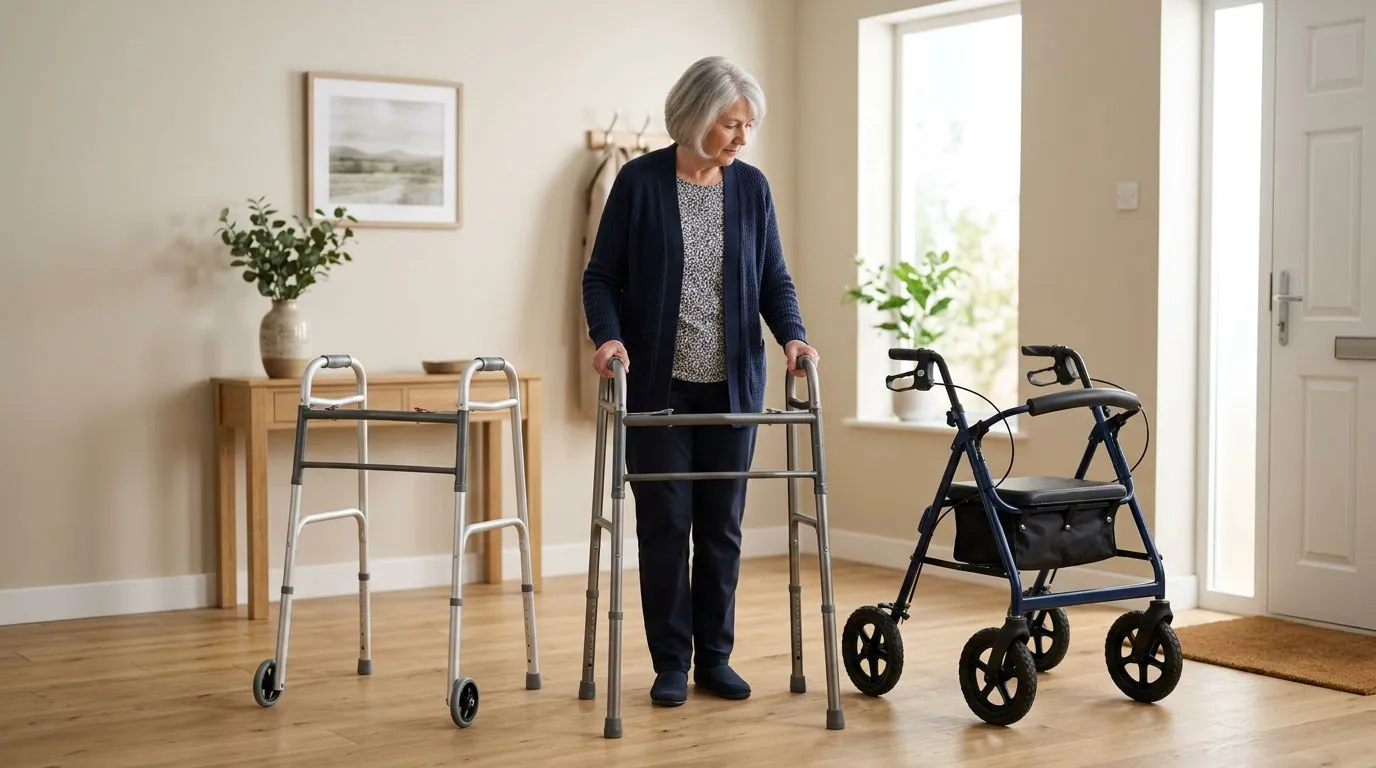
When Is It Worth Upgrading to a Lightweight, Heavy-Duty, or All-Terrain Walker?
14 min read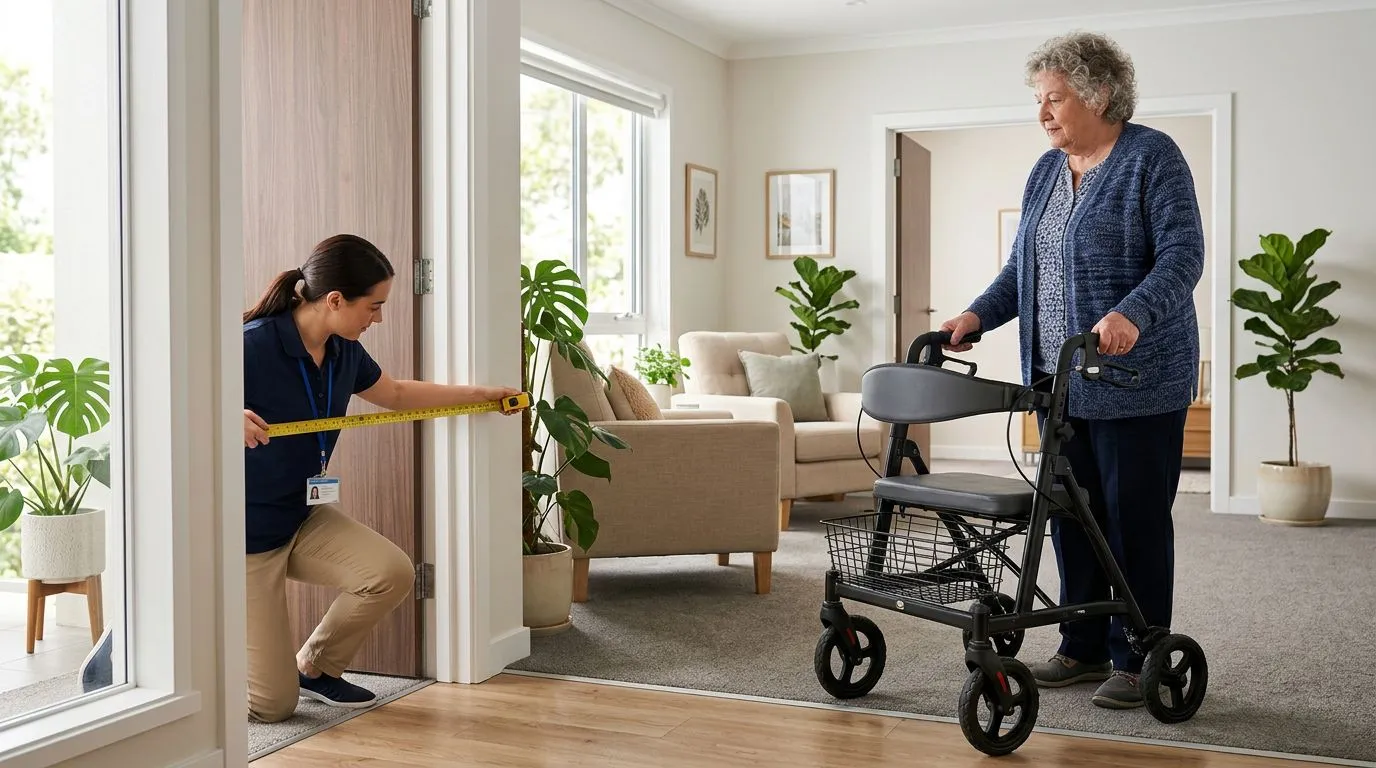
Heavy-Duty Rollator Walkers: Weight Capacity, Seat Width, Frame Strength, and Stability Basics
14 min read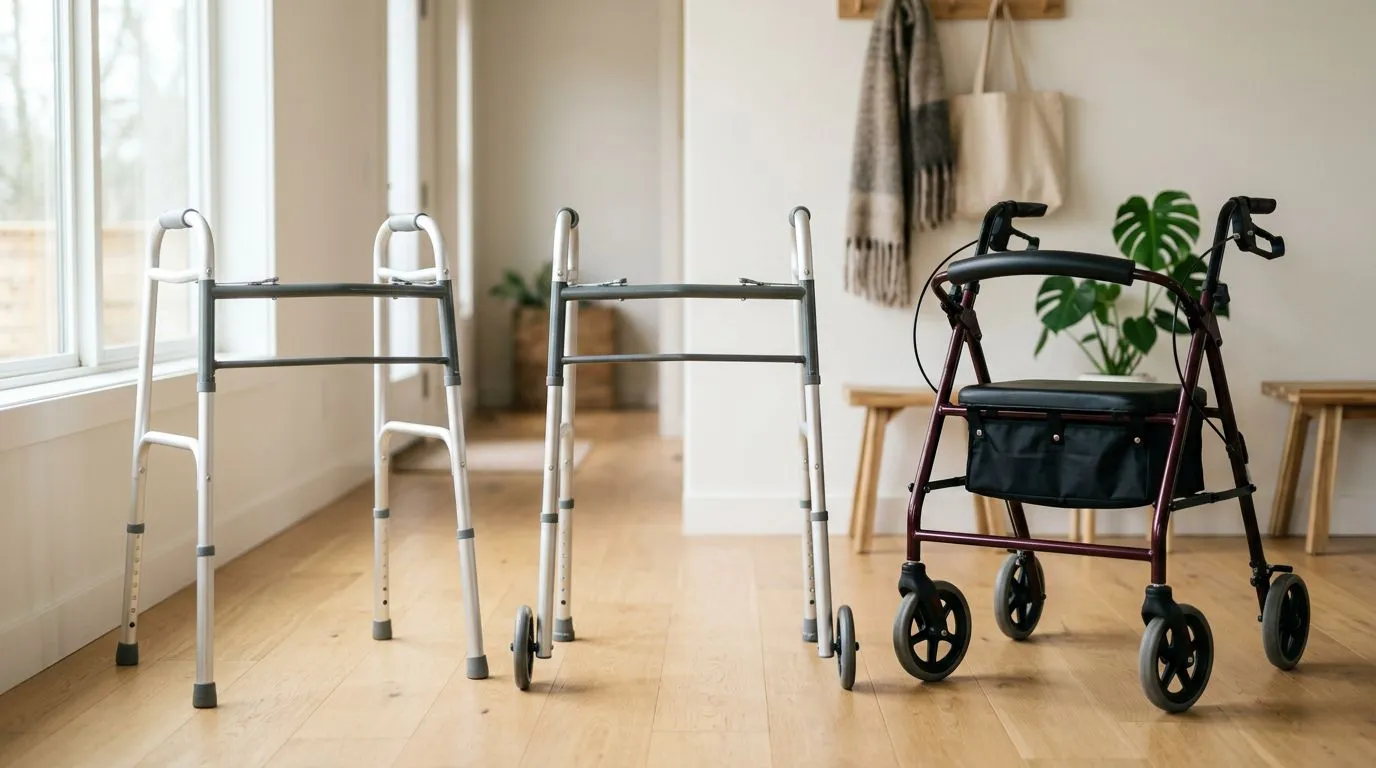
Lightweight Mobility Walkers: Balancing Easy Lifting, Stability, and Weight Capacity
14 min read